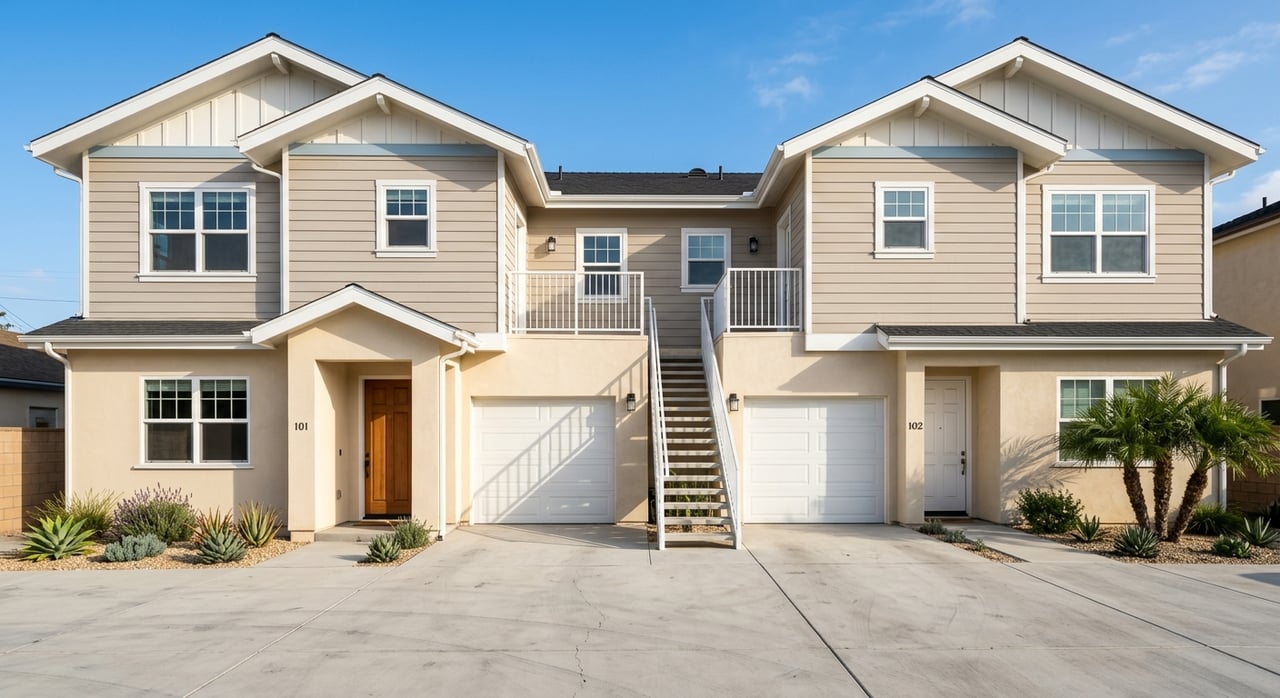
If you’re trying to choose between a condo, townhome, or house in Newport Beach, you’re not just comparing floor plans. You’re weighing price, upkeep, location, and lifestyle in one of Orange County’s most varied coastal markets. The good news is that once you understand how ownership, monthly costs, and neighborhood setting work here, the decision becomes much clearer. Let’s dive in.
Start With Newport Beach Prices
Newport Beach is a high-priced market, but the numbers can look different depending on what is being measured. Recent citywide data shows a median sale price of about $3.41 million, a typical home value around $3.69 million, and a median listing price near $4.69 million. That spread is normal because sold prices, estimated values, and active list prices are different metrics.
If you are looking for a lower entry point into Newport Beach, condos and townhomes tend to be the clearest options. Current data shows condos for sale at a median listing price of about $2.39 million and townhouses at about $2.2 million. Detached homes can vary far more, with pricing shifting sharply by neighborhood and property type.
For single-family homes, location matters a lot. Median listing prices have recently been around $4.445 million in Corona del Mar, $4.695 million in West Newport Beach, and $8.25 million in Newport Coast. At the same time, recent sold examples have ranged from roughly $1.9 million to $19.7 million, which shows how wide the detached-home market can be.
Compare More Than Property Type
In Newport Beach, the label on a property does not always tell you the full ownership story. In California, a townhome can describe a style rather than a legal ownership type. A home that looks detached can still be part of a planned development or condominium structure under state law.
That means you should not assume a condo, townhome, or house comes with the same responsibilities every time. Two homes may look similar from the street but have very different rules, insurance needs, and HOA obligations. In practice, it usually makes more sense to compare by subarea and monthly carrying cost than by property label alone.
Condo Living in Newport Beach
A condo can make sense if you want a Newport Beach address with less exterior upkeep. In many cases, this option gives you a more manageable day-to-day ownership experience, especially if you prefer not to handle as much outside maintenance yourself. That can be appealing if your priority is convenience, lock-and-leave flexibility, or a coastal lifestyle with fewer chores.
The trade-off is that condo ownership usually comes with HOA dues, community rules, and shared decision-making. Those dues often cover more than landscaping. California guidance notes that assessments may fund operating costs, reserves, administration, contingency items, and major repairs.
You also need to look closely at the association’s financial health. Special assessments can be charged for major repairs or unexpected expenses, and dues can rise over time. If you are comparing condo options in Newport Beach, the monthly payment is only part of the picture.
What to Review Before Buying a Condo
- CC&Rs and board rules
- HOA budget and reserve funding
- Insurance structure
- Parking rules
- History of special assessments
- What the HOA maintains versus what you maintain
Insurance deserves special attention in coastal California. The California Department of Insurance states that standard homeowners, renters, and condominium policies do not cover earthquake damage. Condo owners may also want to review whether loss-assessment protection is needed if HOA deductibles or shared repair costs are passed through to owners.
Townhome Living in Newport Beach
A townhome often sits between a condo and a detached house in terms of feel. You may get more separation, a multi-level layout, and sometimes more private outdoor space than a typical condo. For many buyers, that balance can be attractive when they want a little more room without taking on the full responsibility of a detached property.
Still, the legal structure matters as much as the design. In California, a townhome is often an architectural description, not a guaranteed ownership category. That is why it is important to confirm exactly what you own, what is considered common area, and how the HOA handles repairs and replacements.
Under California Civil Code section 4775, the HOA is generally responsible for common area, while the owner is generally responsible for the separate interest. Unless governing documents say otherwise, the owner also maintains exclusive-use common area, though the association typically repairs and replaces it. Those details can affect your costs, your responsibilities, and even how easy the property is to resell later.
House Living in Newport Beach
A detached house is usually the best fit if you want more control over the property and typically more private outdoor space. You may have fewer shared walls, fewer community restrictions, and more flexibility in how you use and maintain your home. For some buyers, especially those planning a long-term move, that added control is worth the higher price and added responsibility.
The trade-off is that you generally carry more of the maintenance burden yourself. That can include exterior repairs, roof issues, and more ongoing property care. In a market as broad as Newport Beach, those responsibilities can look very different depending on whether you buy near the beach, around the bay, or in hillside areas.
Detached-home buyers should also expect wider pricing swings. Newport Beach includes everything from relatively lower-priced detached homes to ultra-premium coastal and view properties. If you are deciding between a house and a townhome, looking only at the purchase price can miss the bigger ownership picture.
Match the Home to the Area
Newport Beach is not one-size-fits-all. The city includes low-elevation beach and bay areas, terrace neighborhoods, and higher-relief hillside sections. That means your experience can change a lot within just a few miles.
Harbor and Bay Areas
If you want boating access, marina life, and a more walkable vacation-style setting, harbor and bay locations may feel like the right fit. The City of Newport Beach describes Balboa Peninsula as a three-mile stretch bordered by Newport Harbor and the Pacific Ocean, with the Wedge, the boardwalk, and ferry access to Balboa Island. The city describes Balboa Island as an island village with a perimeter walking path, Marine Avenue shops, and the historic ferry.
In these areas, many buyers prioritize immediate water access and an active coastal setting. A condo or townhome can be a practical way to get closer to that lifestyle while limiting some exterior upkeep. A detached home here may offer a different level of privacy or space, but usually at a much higher price point.
Beach-Centered Areas
If your vision of Newport Beach revolves around sand, ocean views, and beach access, Corona del Mar and Crystal Cove stand out for different reasons. City and tourism materials describe Corona del Mar as home to Corona del Mar State Beach, ocean overlooks, and a downtown area with shops and restaurants. Newport Coast and Crystal Cove combine coastline, hiking and camping access, luxury homes, and ocean-view golf and resort settings.
For buyers focused on beach-centered living, the best choice often depends on whether you want convenience or space. A condo or townhome may place you closer to the action with less upkeep, while a detached home may offer more privacy and a different ownership experience. In these subareas, the lifestyle difference can be just as important as the square footage.
Hillside and View Areas
As you move east, Newport Beach geography changes. The city notes elevated marine terrace areas such as Newport Heights and Westcliff, along with higher-relief terrain in the San Joaquin Hills. Newport Coast hillsides are also noted for newer homes and Pacific Ocean views.
If views, newer construction, and more separation from busy beach corridors matter most to you, a hillside property may be the stronger fit. In these areas, buyers often compare detached homes against attached options based on privacy, elevation, and ongoing maintenance. The right answer depends on how much hands-on ownership you want.
Focus on Monthly Carrying Cost
One of the smartest ways to compare a condo, townhome, and house in Newport Beach is to look at your full monthly carrying cost. That means more than your mortgage payment. You should also factor in HOA dues, insurance needs, maintenance exposure, and the possibility of future assessments.
A condo with a higher HOA may still be the better fit if it reduces your direct maintenance burden. A detached house with no HOA may still cost more each month once repairs, insurance, and upkeep are included. In Newport Beach, where prices and neighborhood settings vary so much, this apples-to-apples comparison is often more useful than the property label itself.
Questions to Ask Before You Decide
Before you choose a condo, townhome, or house, ask yourself a few practical questions:
- Do you want lower exterior upkeep or more direct control?
- How comfortable are you with HOA rules and dues?
- Would special assessments strain your budget?
- Do you want beach access, harbor access, or hillside views?
- How important are privacy and outdoor space?
- Are you comparing total monthly cost, not just purchase price?
These questions can quickly narrow the field. In Newport Beach, the best property type is usually the one that fits both your lifestyle and your long-term cost comfort.
If you are still deciding, a neighborhood-by-neighborhood comparison can help you avoid costly assumptions. What works beautifully in Balboa Peninsula may not be the best answer in Newport Coast, and what looks like a townhome may not function the way you expect from an ownership standpoint.
When you want help comparing Newport Beach options with local context and clear numbers, Casa Bella Realty Group can help you weigh the trade-offs and move forward with confidence.
FAQs
What is the price difference between condos, townhomes, and houses in Newport Beach?
- Recent Newport Beach data shows condos at about a $2.39 million median listing price, townhomes at about $2.2 million, and detached homes varying much more widely by neighborhood, from lower sold examples near $1.9 million to premium areas with median listing prices above $8 million.
What should you review before buying a condo in Newport Beach?
- You should review the CC&Rs, HOA budget, reserve funding, insurance structure, parking rules, and any history of special assessments before buying a Newport Beach condo.
What does a Newport Beach HOA usually maintain?
- Under California Civil Code section 4775, the HOA is generally responsible for common area, while the owner is generally responsible for the separate interest, with exclusive-use common area responsibilities depending on governing documents.
Why can a Newport Beach townhome be different from what it looks like?
- In California, a townhome is often a style description rather than a legal ownership type, so a property that looks like a townhome or even a detached house may still be governed as a planned development or condominium.
Which Newport Beach areas fit different lifestyles best?
- Harbor and bay areas like Balboa Peninsula and Balboa Island often appeal to buyers who want boating access and a walkable coastal setting, while hillside areas such as Newport Coast often appeal to buyers who prioritize views, newer homes, and more separation from busy beach corridors.
