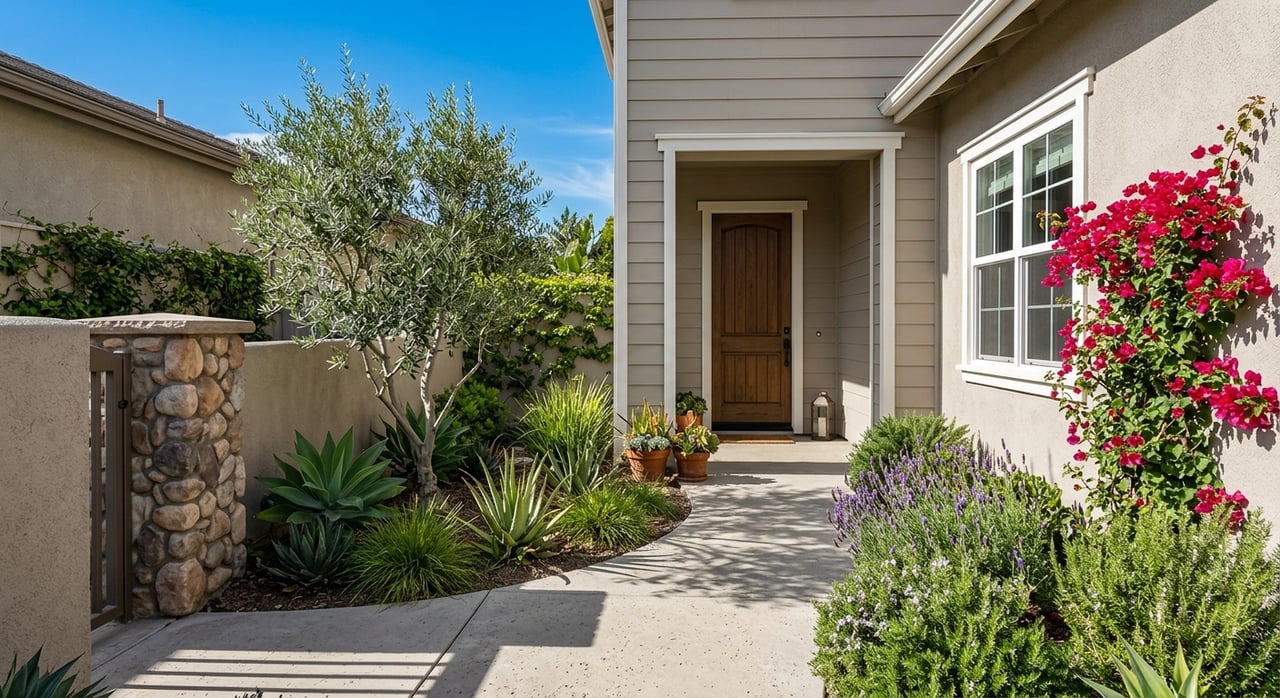
If you have ever wondered what day-to-day life in Coto de Caza actually feels like, you are not alone. Many buyers know the name, the gates, and the reputation, but they want a clearer picture of what living there looks like beyond a home tour. This guide will walk you through the rhythm of everyday life in Coto de Caza, from recreation and outdoor access to the community’s layout and housing character, so you can better understand what makes this South Orange County enclave distinct. Let’s dive in.
What Coto de Caza Is Like at a Glance
Coto de Caza is an unincorporated community in South Orange County, and it is planned through the County of Orange under the Coto de Caza Specific Plan. Orange County also maintains a dedicated community planning advisory committee for the area, which reflects how closely the community’s development and projects are reviewed.
In practical terms, Coto feels less like a compact town center and more like a large residential enclave. Census QuickFacts report a 2020 population of 14,710, and the Coto Conservancy describes the community as spanning nearly 5,000 acres with more than 4,000 homes.
That scale shapes everyday life. Instead of a dense urban pattern, you get a broader, more residential setting with space for homes, amenities, trails, and open areas to play a visible role in daily routines.
A Primarily Homeowner Community
One of the clearest indicators of Coto de Caza’s character is its high owner-occupancy rate. Census QuickFacts show that 92.6% of homes are owner-occupied, which points to a community where many residents put down long-term roots.
The same Census data lists a median owner-occupied home value of $1,535,600 for 2020 through 2024. It also notes that 21.7% of residents are under age 18, which helps paint a fuller picture of who lives here and how the community functions day to day.
For you as a buyer or seller, those numbers matter because they suggest stability and a lifestyle centered on residential living rather than constant turnover. They also help explain why Coto de Caza is often discussed in terms of community experience as much as real estate.
Club Life Shapes the Social Rhythm
For many residents, the Coto de Caza Golf & Racquet Club serves as a major social and recreational anchor. The club advertises 36 holes of Robert Trent Jones Jr.-designed golf, 10 fully lit tennis and pickleball courts, a fitness club, spa, heated pool and hot tub, and several dining venues.
Its clubhouse presence is also a big part of the experience. The club describes a 44,000-square-foot craftsman-style clubhouse and a calendar built around social, recreational, and dining events.
That means daily life can feel active and connected for residents who choose to participate. Depending on your routine, that might mean a morning workout, a tennis match, a swim, lunch with friends, or an evening event without needing to leave the community area.
What the club calendar suggests
The published club calendar includes categories for golf, dining, fitness, tennis, club, community, junior, and swimming events. Examples listed include Zumba, aqua aerobics, golf socials, and Mahjong.
That range says a lot about the pace of life. The calendar is not focused on just one activity, which suggests that club-centered living in Coto can support a variety of interests and age groups.
Even if your ideal day looks simple, the presence of regular programming can shape the feel of the neighborhood. It adds a layer of structure, activity, and optional social connection that many buyers look for when comparing communities.
Outdoor Living Is Part of the Identity
Coto de Caza’s outdoor identity is not an afterthought. According to the Coto Conservancy, the community was conceived with resort-like outdoor amenities focused on golf, tennis, equestrian use, and riding and hiking trails.
That foundation still shows up in daily life. The Conservancy states that the trail network exceeds 40 miles, giving residents broad access to outdoor movement and scenic space within the larger community setting.
For some people, that means a regular walking route. For others, it means trail riding, hiking, or simply choosing a neighborhood where open space is part of the atmosphere.
Equestrian features remain part of Coto’s character
The Conservancy also points to more than 20 acres of public equestrian facilities and the long-standing Coto de Caza Equestrian Center. This adds another layer to the community’s identity and helps distinguish it from other Orange County neighborhoods that lean heavily on only golf or pool amenities.
Even if you are not involved in equestrian activities yourself, those facilities contribute to the overall feel of the area. They reinforce Coto’s long-standing connection to outdoor recreation and a more expansive land plan.
Nearby wilderness access adds flexibility
Just outside the residential setting, OC Parks says Thomas F. Riley Wilderness Park offers five miles of multi-use trails. That nearby option expands the outdoor lifestyle beyond the internal trail network and gives residents another place to walk, hike, or spend time outside.
When you combine community trails, equestrian facilities, golf, and nearby park access, everyday life in Coto often feels oriented around movement and open-air recreation. That is one of the strongest lifestyle themes buyers should understand when considering the area.
The Community Feels Large, Not Dense
Because Coto de Caza covers such a broad footprint, daily living tends to feel spread out rather than compressed. The community’s nearly 5,000 acres and more than 4,000 homes create a setting where residential pockets, recreational areas, and open spaces all help define the experience.
That can appeal to buyers who want a neighborhood with structure and amenities but do not want the feel of a compact, urban-style environment. The scale gives the area a more established, self-contained rhythm.
For sellers, this is also an important lifestyle point to communicate. Buyers are often evaluating not just square footage and finishes, but also how a place feels when they live there every day.
Housing Areas Often Have Different Feel
When people talk about Coto de Caza real estate, you may hear broad shorthand terms like The Village and South Coto. These are commonly used in listing and guide materials, though they are not official civic districts.
In that shorthand, The Village is often presented as Coto’s original development. South Coto is commonly described as a later-built area with larger homes on smaller lots and more contemporary floor plans.
These descriptions matter because they show that everyday life in Coto is not one-size-fits-all. Different sections of the community may appeal to buyers looking for a certain home style, lot pattern, or neighborhood feel.
Why that matters for buyers and sellers
If you are buying, it helps to think beyond the gate and focus on the specific pocket that best matches your priorities. You may care most about floor plan style, proximity to trails, or the overall setting of a particular area.
If you are selling, understanding how your home fits into the broader Coto story can help shape pricing, positioning, and marketing. A neighborhood-level strategy often makes the lifestyle value of a property easier for buyers to understand.
What Everyday Life Really Comes Down To
At its core, life behind the gates in Coto de Caza is defined by a mix of scale, recreation, and residential stability. It is a community where club amenities, trails, equestrian features, and varied housing eras all play a role in how people experience daily life.
That combination is what gives Coto much of its identity. It does not rely on one single feature to stand out. Instead, the lifestyle comes from how those pieces work together in a large South Orange County setting.
If you are trying to decide whether Coto de Caza fits your next move, the key is to look at both the home and the pattern of life around it. And if you are preparing to sell, understanding how buyers perceive that lifestyle can make a real difference in how your property is presented.
If you are thinking about buying or selling in Coto de Caza, Casa Bella Realty Group can help you navigate the neighborhood with local insight, thoughtful strategy, and personalized guidance from start to finish.
FAQs
What is everyday life like in Coto de Caza?
- Everyday life in Coto de Caza is shaped by a large residential setting, club-centered recreation, extensive trails, equestrian features, and a strong owner-occupied community profile.
What outdoor amenities are part of Coto de Caza living?
- The community includes a trail network of more than 40 miles, over 20 acres of public equestrian facilities, and access to nearby multi-use trails at Thomas F. Riley Wilderness Park.
What amenities does the Coto de Caza Golf & Racquet Club offer?
- The club advertises 36 holes of golf, 10 fully lit tennis and pickleball courts, a fitness club, spa, heated pool and hot tub, dining venues, and a calendar of social and recreational events.
What do The Village and South Coto mean in Coto de Caza real estate?
- These are broad real estate shorthand terms often used to describe different housing areas, with The Village commonly associated with earlier development and South Coto with later-built homes and more contemporary floor plans.
Is Coto de Caza a city in Orange County?
- No. Coto de Caza is an unincorporated community in South Orange County and is planned through the County of Orange under the Coto de Caza Specific Plan.
