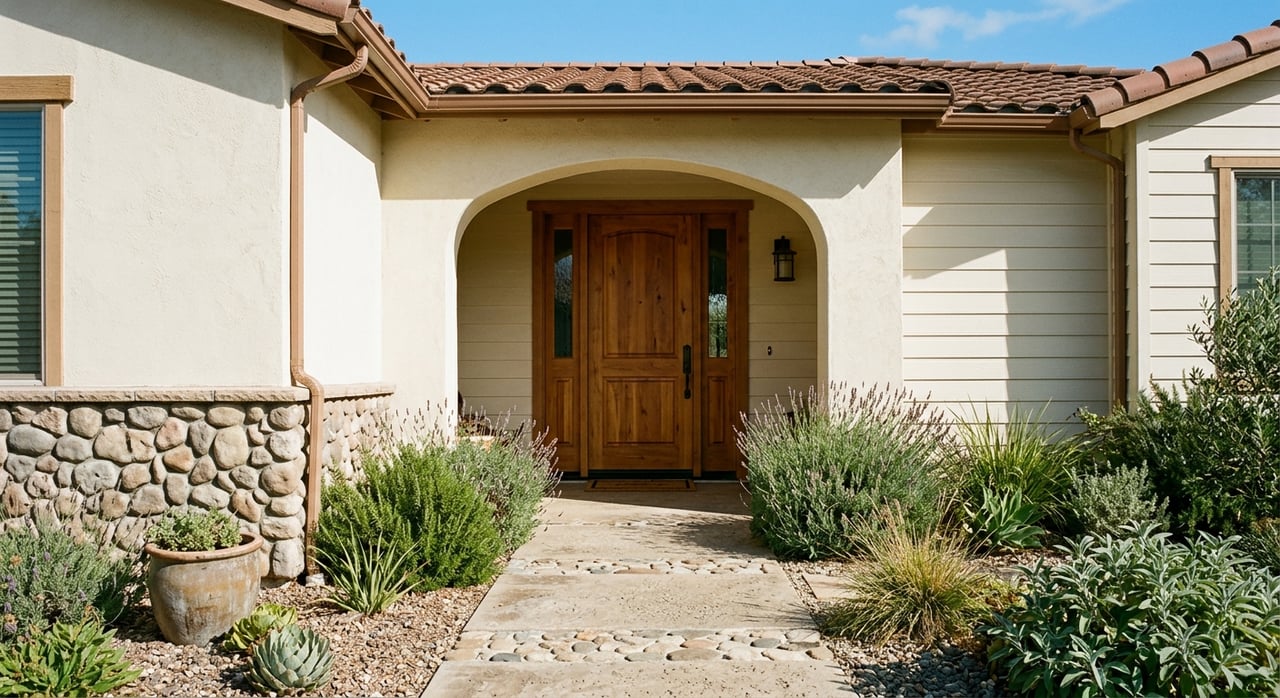
If you want a place that feels rooted in California history without giving up the needs of daily life, San Juan Capistrano stands out right away. You may be drawn to its old-town character, open space, or the mix of homes and neighborhoods that give the city its distinct feel. Whether you are thinking about buying, selling, or simply learning the area, understanding how historic charm and modern living come together here can help you make a smarter move. Let’s dive in.
Why San Juan Capistrano Feels Different
San Juan Capistrano has a long and visible history that still shapes the city today. The city traces its Spanish-era story to 1776, when Mission San Juan Capistrano became the seventh mission in California. Over time, local planning decisions also helped preserve historic resources, open space, and ridgeline views.
That matters because this is not a place where history sits in the background. In San Juan Capistrano, historic identity is part of everyday life, from preserved buildings to the design of the downtown core. The city describes its General Plan as a bridge between historic traditions and the future, which helps explain the area’s layered character.
The city’s preservation efforts also go beyond protecting a few landmarks. San Juan Capistrano has a Cultural Heritage Commission, historic walking-tour docent training, and Historic Preservation Week programming. Altogether, those efforts support a community that values both continuity and thoughtful change.
Historic Areas That Shape the City
If you are trying to picture the most historic parts of town, the city’s landmark inventory offers a clear starting point. Key areas include the Mission, downtown buildings, the Los Rios Street Historic District east of the train depot, and Mission Hill-Mission Flats. The inventory also includes adobe buildings and ranch and farmhouse properties.
San Juan Capistrano says it has 13 sites or districts on the National Register of Historic Places. That is a meaningful concentration for a city of this size and one reason the historic core feels especially distinct. You can see that layered architectural story in several notable buildings across town.
Examples listed by the city include the 1794 Montanez Adobe on Los Rios Street, the Renaissance Revival Egan House, and the Esslinger Building, which the city calls one of Orange County’s best examples of Streamline Moderne architecture. For buyers and sellers alike, this variety helps explain why the city does not feel tied to one single style or era.
Modern Living in a Historic Setting
Historic character is only part of the story. San Juan Capistrano also supports modern living through a wider mix of housing, planning tools, and neighborhood types than many people first expect. That blend is part of what makes the city appealing to a broad range of homeowners.
According to the city’s Housing Element, San Juan Capistrano provides for a variety of residential densities. Much of the city is residential or rural residential, and much of the land is designated for single-family uses. Multifamily opportunities are more concentrated around the I-5 freeway and major thoroughfares.
The city’s Specific Plans page also points to newer planned areas such as Village Alipaz, Harbor Lane Homes, The Farm, North West Open Space, El Camino, and San Juan Plaza. Taken together, these planning documents suggest a housing landscape that includes historic homes in the core along with later planned communities and infill development in other areas.
The city also uses Accessory Dwelling Units and Junior Accessory Dwelling Units as part of its housing strategy. It has adopted regulations and review paths intended to make these homes relatively easier and less expensive to build. For homeowners, that adds another modern layer to a city known for preservation.
What Home Styles You May See
One of the most appealing things about San Juan Capistrano is that the housing stock is not one-note. Instead, you may find historic adobes, early 20th-century homes, ranch and farmhouse properties, newer specific-plan neighborhoods, and homes with ADU or JADU potential. That range gives buyers more options and gives sellers more ways to position their property.
For buyers, this can mean balancing architecture, lot size, location, and lifestyle priorities. Some people want to be closer to the historic core, while others prefer newer areas with a more planned neighborhood feel. The right fit often comes down to how you want to live day to day.
For sellers, this variety is important because marketing strategy should match the property. A home with historic character may need a different story and presentation than a newer residence in a planned area. That is where neighborhood-level knowledge and thoughtful pricing can make a real difference.
Downtown Life and Community Rhythm
San Juan Capistrano’s downtown core plays a major role in the city’s lifestyle. The area includes the mission, downtown buildings, Los Rios, Historic Town Center Park, and the city-owned train station at 26701 Verdugo Street. Together, these places create a central gathering area that feels active without losing its historic township atmosphere.
The city says it has maintained that historic township feeling while growing into a culturally diverse community of more than 36,000 people. That combination gives the downtown area a lived-in rhythm rather than a staged or overly polished feel. It is one of the reasons the city appeals to people who want character as well as convenience.
Community events are a major part of that rhythm. The Public Works and Community Services Department coordinates the 4th of July Celebration, San Juan Summer Nites, Spring Eggstravaganza, the Christmas Tree Lighting Ceremony, and the annual Swallows Day Parade. These events help shape how residents experience the city year after year.
Summer Nites, for example, is a free concert series held at Historic Town Center Park on the third Wednesday of June, July, August, and September. Swallows Day brings a different kind of energy, with downtown street closures for the parade and expanded trolley service to help people move through the core. If you are considering a move here, those event patterns can tell you a lot about the city’s sense of place.
Transit Access in San Juan Capistrano
When people ask whether San Juan Capistrano is transit-friendly, the answer is nuanced. The city identifies the Amtrak and Metrolink station as its only major transit stop. It also says there are no high-quality transit corridors within the city.
That means transit access is centered around the station area rather than spread evenly across town. Metrolink lists the station on the Inland Empire-Orange County and Orange County lines, and notes amenities such as restrooms, an Amtrak ticket office, and dining. For some residents, that station access can be a meaningful lifestyle benefit.
If your routine includes rail commuting or regional travel, proximity to the station may matter more than it would in another city. If you drive most places, other factors like open space, neighborhood setting, and housing style may take priority. Either way, it helps to understand that transit here is concentrated, not citywide.
Outdoor Living and Open Space
Modern living in San Juan Capistrano also means strong access to the outdoors. The city says it has 43 miles of unpaved hiking, mountain, and equestrian trails, about 20 miles of paved bikeways, 52 acres of developed parks, 230 acres of agricultural land, and more than 3,000 acres of permanent open space within 14 square miles. That is a significant outdoor footprint.
For residents, that can translate into more than just scenic views. It supports an active lifestyle with room for hiking, biking, and enjoying natural surroundings close to home. The city also says Public Works maintains the trail system and that bicycles, including e-bikes, are currently allowed while safety rules continue to be evaluated.
This outdoor framework is one reason San Juan Capistrano feels different from a more typical suburban pattern. Preservation here includes land, trails, and visual openness as well as buildings. If outdoor access matters to you, this part of the city’s identity deserves a close look.
Equestrian Culture Is Part of Daily Life
San Juan Capistrano’s equestrian identity is also part of its civic culture. The city’s Large Animal Response Team page says the city is well known as an equestrian destination because of its concentration of horses, stables, and riding facilities. That makes horses and riding more visible here than in many Orange County communities.
This is not just about recreation. The city even trains volunteers for safe animal evacuation through its Large Animal Response Team program. That kind of local infrastructure shows how equestrian use is woven into community life rather than treated as a side feature.
For homebuyers, this can shape how certain areas feel and function. For sellers, it can also influence how a property’s location and lifestyle appeal should be presented. In a market like San Juan Capistrano, those local details matter.
What This Means for Buyers and Sellers
If you are buying in San Juan Capistrano, it helps to think beyond price and square footage. You may also want to consider whether you prefer historic surroundings, newer planned development, access to trails, or proximity to the train station and downtown core. The city’s appeal often comes from how these features overlap.
If you are selling, understanding that layered appeal is just as important. Buyers may be responding to architectural character, event-driven community life, outdoor access, or commuter convenience depending on the property. A strong pricing and marketing strategy should reflect the specific lifestyle story your home offers.
That is especially true in a city where no two pockets feel exactly the same. San Juan Capistrano combines preservation, open space, rail access, and a range of housing types in a way that creates a distinct market identity. When you understand those layers, you can make more confident real estate decisions.
Whether you are preparing to sell, searching for the right fit, or relocating within Orange County, local insight matters. Casa Bella Realty Group brings neighborhood-level knowledge, hands-on guidance, and a personalized approach to help you move with clarity and confidence.
FAQs
What makes San Juan Capistrano feel historic?
- San Juan Capistrano’s historic identity is tied to Mission San Juan Capistrano, the preserved downtown core, Los Rios Street Historic District, adobe buildings, and long-term city efforts to protect historic resources and open space.
What types of homes are common in San Juan Capistrano?
- The city’s planning and preservation documents point to a mix of historic adobes, early homes, ranch and farmhouse properties, newer planned neighborhoods, and homes with ADU or JADU opportunities.
Is San Juan Capistrano a good fit for outdoor living?
- Yes. The city highlights 43 miles of unpaved trails, about 20 miles of paved bikeways, 52 acres of developed parks, agricultural land, and more than 3,000 acres of permanent open space.
Is transit convenient in San Juan Capistrano?
- Transit access is centered on the city’s train station, which serves Metrolink and Amtrak. The city says this is its only major transit stop and that there are no high-quality transit corridors citywide.
What are the most historic areas in San Juan Capistrano?
- The city identifies the Mission, downtown buildings, Los Rios Street Historic District, and Mission Hill-Mission Flats as key historic areas.
How does modern living fit into San Juan Capistrano’s historic setting?
- Modern living shows up through a variety of housing types, newer specific-plan areas, ADU and JADU policies, commuter rail access, community events, and outdoor amenities that coexist with preservation efforts.
