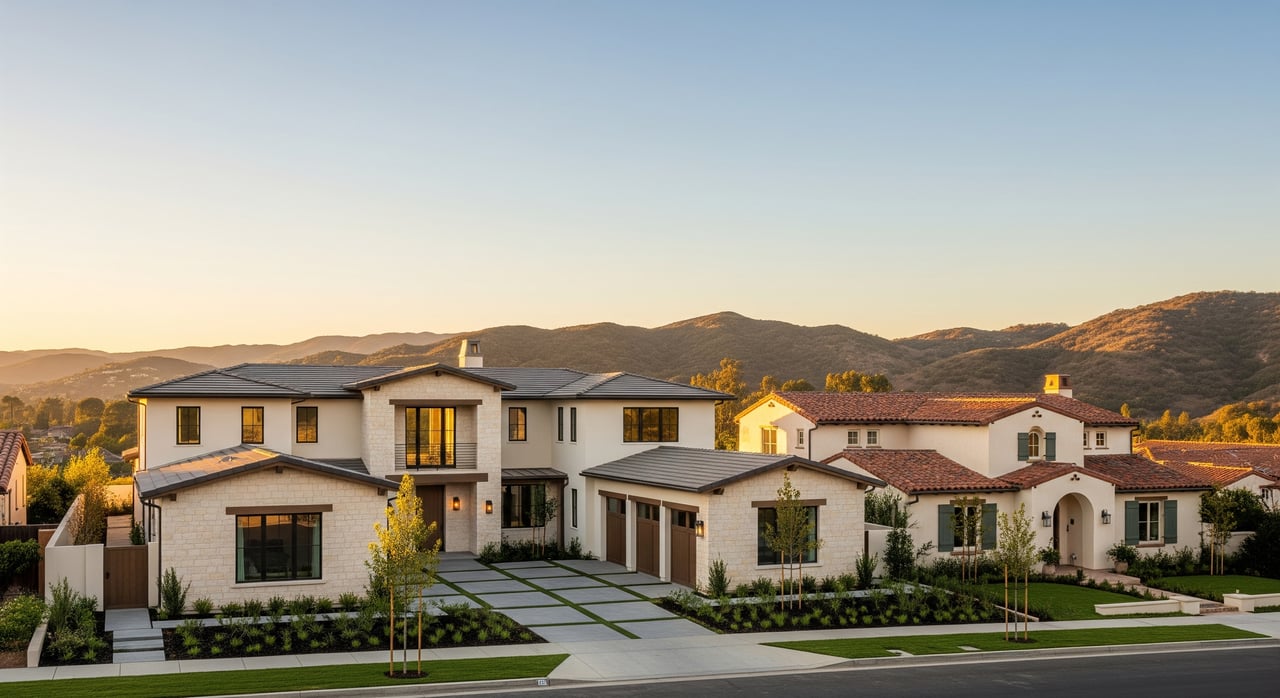
Trying to choose between a brand-new home and a well-kept resale in Rancho Mission Viejo? You are not alone. With multiple villages at different stages of development, it can be hard to know which path fits your timing, budget, and lifestyle. This guide breaks down the tradeoffs so you can move forward with confidence. Let’s dive in.
New build vs resale in RMV
Rancho Mission Viejo is a master-planned community with distinct villages like Sendero, Esencia, and Rienda. Each village has its own character, product types, and phase timing. That means your experience can vary based on where and when you buy. Keep your search specific to the village and phase to make clear, apples-to-apples comparisons.
Timeline to move-in
If you need to move soon, timing will be a top factor.
- New construction: Buying a completed inventory or spec home can close on a timeline similar to resale. Contract-to-build homes often take several months to more than a year from contract to move-in, depending on builder schedules, inspections, and permitting.
- Resale: In California, a standard escrow for financed purchases typically runs about 30 to 45 days. All-cash closings can be faster. Contingencies or complex repairs can extend the timeline.
If you want to settle before a school year or you have a firm work start date, a resale or an available inventory home may be the smoother path. If you are flexible and want more control over finishes, a new build could be worth the wait.
Cost and price dynamics
Price is more than the list number. Look at the full picture of net costs and value.
- New construction pricing: New homes often carry a premium for newness, energy efficiency, and access to brand-new community amenities. Builders may offer incentives like closing cost credits, financing perks, or select upgrades that affect your net outlay.
- Resale pricing: Resale values reflect recent comparable sales, location within the village, lot orientation, and owner upgrades. Established landscaping and mature trees can add value, while deferred maintenance can reduce it.
- Price per square foot: New vs resale can be competitive or premium either way, depending on finishes and market conditions. In low-inventory periods, well-cared-for resales can command strong prices.
- Closing costs and concessions: Builders often encourage preferred lenders and may contribute to closing costs. On resales, concessions depend on negotiation and market balance.
Compare net costs after incentives, repairs, and closing credits. Review recent comps by village to understand where value is holding strongest.
Customization and features
Your desire for personalization can tilt the decision.
- New build: If you purchase early enough, you may choose options like cabinetry, countertops, flooring, and lot orientation. Near completion, inventory homes usually have fewer personalization choices but still deliver fresh systems and finishes.
- Resale: You often benefit from established landscaping and owner upgrades such as remodeled kitchens, built-ins, or outdoor living areas. Factor in potential refresh work if styles differ from your taste.
If you enjoy selecting finishes, new construction offers a path. If you prefer move-in ready with character and mature greenery, resale can be appealing.
Warranties and inspections
Peace of mind is part of the value calculation.
- New build warranties: Many builders use a tiered approach that commonly looks like 1 year for workmanship and materials, 2 years for major systems, and 10 years for structural components. Always review the written warranty provided at closing for exact terms.
- Inspections on new builds: Builders may limit third-party inspections to specific phases and require notice. You will typically have a pre-close walk-through and punch list.
- Resale protections: Resale sellers must provide California’s required disclosures, including the Transfer Disclosure Statement. Buyers typically order a general home inspection, pest inspection, and specialty inspections as needed.
If warranty coverage matters to you, a new build can provide structured protection. If you prefer full independent inspections and immediate occupancy, resale might fit better.
HOA and Mello-Roos basics
Understand monthly and annual carrying costs before you commit.
- HOA layers: Master-planned communities often have a master HOA plus village or neighborhood HOAs. Fees vary by village, product type, and what is included, such as landscaping or community center operations.
- Mello-Roos/CFD taxes: Many newer California communities use special taxes to fund infrastructure. Amounts vary by parcel and can be fixed, declining, or tied to assessed value.
- What to check: Review HOA governing documents and budgets, and confirm Mello-Roos on the property tax bill or through county records. The Preliminary Title Report will note applicable special taxes.
A side-by-side comparison of HOA dues and any Mello-Roos for each property you consider will clarify your long-term monthly and annual costs.
Financing considerations
Your mortgage options can look different between new and resale.
- New construction: You may use the builder’s preferred lender, a construction-to-permanent loan, or a standard loan if the home is complete. Builders sometimes offer rate buydowns or credits. Compare any incentives to outside lender offers.
- Resale: Conventional, FHA, VA, and jumbo options usually apply with straightforward underwriting when the home appraises.
- Appraisal and premiums: Ask lenders how appraisals will treat new-home premiums and how they approach communities early in their sales cycle.
Shop lenders early and compare total costs, not just rate quotes. Make sure pre-approval timing aligns with your chosen path.
Inventory, resale, and appreciation
Supply and demand shift as villages mature.
- New build pros: Modern floorplans, energy efficiency, and warranty coverage. Cons can include premium pricing and limited early inventory.
- Resale pros: Immediate occupancy, established streetscapes, and potential for negotiation in certain market conditions. Cons may include older systems and maintenance needs.
- RMV reality: Liquidity and appreciation trends can vary by village and phase. Compare days on market and recent sales in the specific village you are targeting.
If you plan to sell within a few years, focus on villages and product types with strong recent resale activity and buyer demand.
Match to common buyer needs
Your priorities will guide the right choice.
- Families planning around school timing: Resale or an available inventory home can offer predictable move-in dates. If timing is flexible and you want personalization, a new build may be worth the wait.
- Professionals wanting low maintenance and a quick close: Resale or a finished inventory home helps you settle fast. New builds can deliver smart home features and efficiency if you can accommodate a longer timeline.
- Downsizers and empty nesters: New construction often offers single-level living and low-maintenance options. Resale can provide premium locations or established landscaping you may prefer.
There is no one-size-fits-all answer. Align the choice with your schedule flexibility, customization desires, and total cost picture.
What to verify before you buy
Create a comparison folder for each property. Request and review:
- Recent comparable sales by village for the last 6 to 12 months.
- HOA documents including CC&Rs, bylaws, current budget, reserve study, and monthly assessment schedules.
- Mello-Roos/CFD details via the property tax bill or county records, plus the Preliminary Title Report.
- Seller disclosures including the Transfer Disclosure Statement for resales.
- Builder package for new homes, including the purchase contract, upgrade list, warranty packet, and the builder’s inspection policies.
- Permit history for any recent renovations and certificate of occupancy for very recent resales.
- Community maps and schedules noting which amenities are completed, under construction, or planned.
Verifying these items early prevents surprises and gives you negotiation leverage.
How Casa Bella helps
You deserve clear guidance tailored to Rancho Mission Viejo’s villages and phases. As a family-led boutique team with deep Orange County experience, we help you compare new build and resale options side by side, confirm HOA and Mello-Roos details, coordinate with builders and inspectors, and negotiate a smooth close on your timeline. If you are selling to buy, we also provide valuation advice, staging guidance, and broad MLS and portal exposure to maximize your net proceeds.
Ready to map your best path in RMV? Reach out to Casa Bella Realty Group for local insight, a personalized plan, and a seamless experience from search to keys. Request a Free Home Valuation or start your move plan with the trusted team at Casa Bella Realty Group.
FAQs
What is the typical timeline difference in RMV?
- New builds can range from several months to more than a year from contract to move-in, while most resales close in about 30 to 45 days under typical financing.
How do HOAs and Mello-Roos affect my budget?
- HOAs can include a master and village layer with differing dues, and Mello-Roos adds a special tax that varies by parcel, so verify amounts for each property you consider.
Do new homes in RMV include warranties?
- Many builders offer tiered warranties that commonly cover workmanship, systems, and structural components for set periods; review the written warranty for exact terms.
Can I negotiate on new construction pricing?
- Builders may offer incentives such as closing cost credits or rate buydowns that impact your net cost, so compare total value against outside lender offers and resale comps.
What inspections should I order on a resale home?
- A general home inspection, pest inspection, and any needed specialty checks like roof or sewer are common, followed by reviewing seller disclosures before removing contingencies.
Which RMV village is best for me?
- Each village has different product types, phases, and amenities, so focus on your timing, budget, and desired features, then compare recent sales and carrying costs by village.
